Celebration of Life: Honoring Memories With Joy
Discover the meaning of a celebration of life, how it differs from funerals, modern ideas, rituals, and ways to honor loved ones with joy and remembrance.
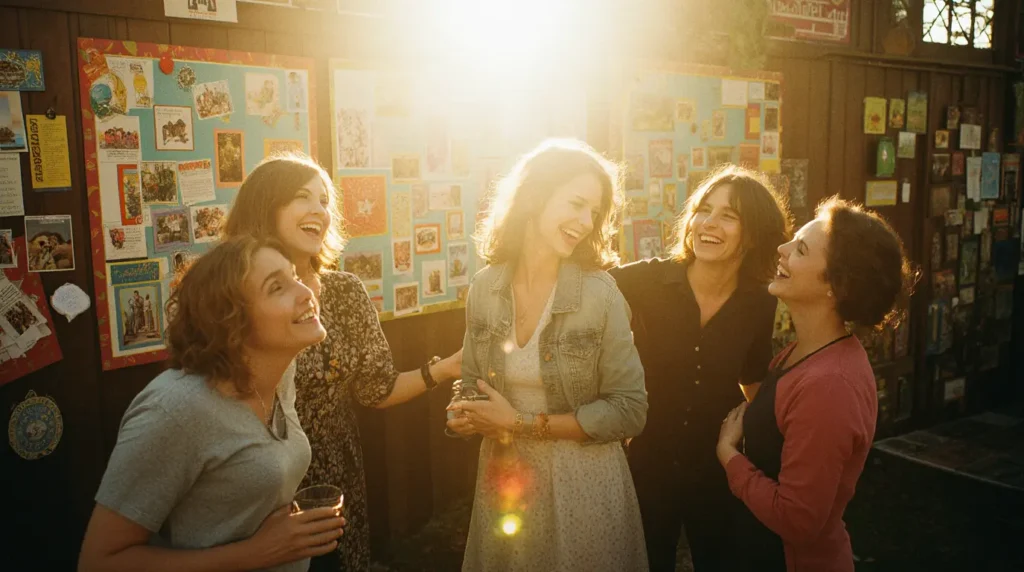
A celebration of life is a meaningful way to honor a loved one by focusing on their memories, achievements, and the joy they brought into the world. Unlike traditional funerals that often center on grief, a celebration of life highlights love, gratitude, and personal legacy. This approach has become increasingly popular across cultures as families seek more personalized and uplifting ways to say goodbye.
In today’s world, people want ceremonies that reflect individuality. A celebration of life does exactly that—it allows friends and family to remember someone not only for how they passed, but for how they truly lived.
What Is a Celebration of Life?
A celebration of life ceremony is an event held to remember and honor someone who has passed away. It may take place days, weeks, or even months after death. These gatherings are often informal, heartfelt, and tailored to the personality of the individual being remembered.
Key features of a celebration of life include:
- Sharing stories and memories
- Playing favorite music
- Displaying photos or videos
- Encouraging laughter alongside tears
The goal is not to avoid grief, but to balance it with appreciation and love.
Celebration of Life vs Traditional Funeral
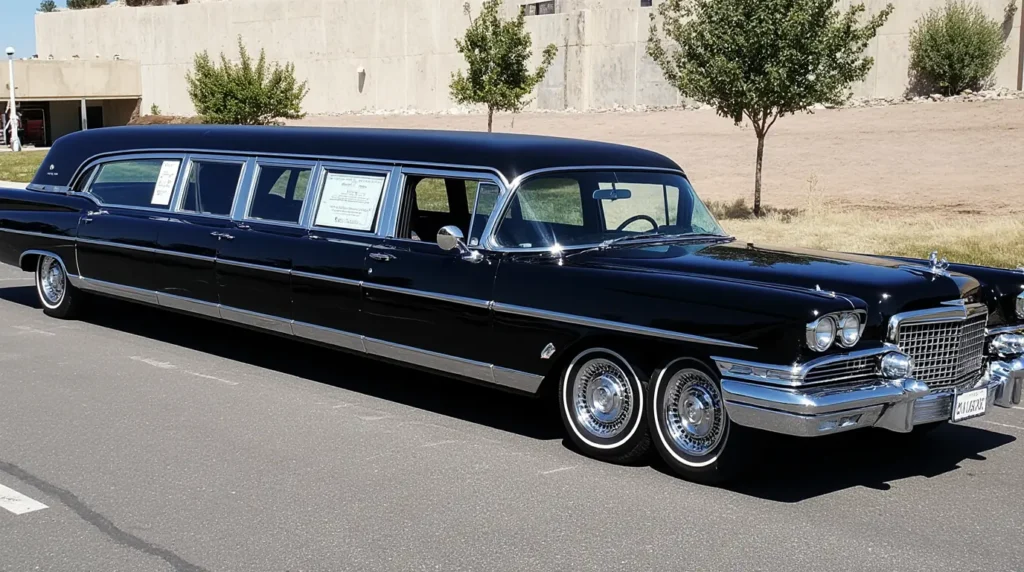
While both serve the purpose of honoring the deceased, there are clear differences between a celebration of life and a traditional funeral.
Traditional Funeral
- Formal structure
- Religious rituals
- Dark attire
- Focus on mourning
Celebration of Life
- Informal and flexible
- May or may not include religious elements
- Bright or casual clothing
- Focus on joyful memories
Many families choose a celebration of life because it feels more personal and emotionally healing.
Why Celebrations of Life Are Becoming Popular
The rise of celebration of life events reflects changing attitudes toward grief and remembrance. People now prefer authenticity over formality and connection over convention.
Popular reasons include:
- Honoring individuality
- Creating a comforting atmosphere
- Allowing creative expression
- Helping loved ones heal together
This modern approach encourages people to remember life’s beauty, even in moments of loss.
How to Plan a Celebration of Life
Planning a celebration of life service can be both emotional and fulfilling. There are no strict rules, which allows families to create something truly meaningful.
1. Choose the Right Location
Celebrations of life can be held anywhere:
- Homes
- Gardens or parks
- Beaches
- Community halls
Select a place that held significance for your loved one.
2. Personalize the Event
Personal touches make the celebration special:
- Display photos and memorabilia
- Create memory boards
- Play favorite songs or playlists
Personalization ensures the event reflects the person’s true spirit.
3. Invite Sharing and Storytelling
Encourage guests to speak, share stories, or write messages. These moments often become the most memorable and healing parts of the celebration.
Meaningful Celebration of Life Ideas
Looking for creative celebration of life ideas? Here are some thoughtful options:
- Memory Lanterns: Guests write messages and release lanterns
- Video Tributes: Slideshow of life moments
- Themed Events: Sports, travel, music, or hobby-based themes
- Charity Donations: Supporting causes meaningful to the deceased
Each idea adds depth and emotional connection to the event.
Celebration of Life Rituals and Symbols
Many celebrations include symbolic gestures that bring comfort and meaning.
Common rituals include:
- Lighting candles
- Planting trees
- Releasing butterflies or balloons
- Creating memory jars
These acts symbolize love, continuity, and remembrance beyond loss.
Cultural and Religious Perspectives

A celebration of life can adapt to cultural and religious beliefs. Some families incorporate prayers, readings, or spiritual music, while others focus entirely on storytelling and reflection.
No matter the background, the heart of the celebration remains the same: honoring a life well lived.
What to Wear to a Celebration of Life
Unlike funerals, there is usually no strict dress code. Guests may be asked to:
- Wear bright colors
- Dress casually
- Wear the loved one’s favorite color
Comfort and self-expression are encouraged, reflecting the positive tone of the event.
How a Celebration of Life Helps With Healing
Grief is complex, and everyone experiences it differently. A celebration of life ceremony offers emotional benefits by:
- Encouraging shared healing
- Reducing emotional heaviness
- Creating lasting positive memories
By celebrating rather than only mourning, people often find it easier to move forward while still honoring the past.
Celebration of Life for Different Age Groups
Celebrations can be adapted based on age and personality:
- For elders: Focus on legacy, wisdom, and family history
- For young people: Highlight dreams, friendships, and passions
- For children: Include art, balloons, and storytelling
Each celebration should reflect the journey of the individual.
Digital Celebrations of Life
With technology, online celebrations of life have become common. Virtual events allow loved ones across the world to participate.
Options include:
- Live-streamed ceremonies
- Online memory walls
- Digital photo albums
These formats ensure no one feels left out, regardless of distance.
How to Write a Celebration of Life Speech
A celebration of life speech should feel natural and heartfelt.
Tips:
- Speak from the heart
- Share personal memories
- Balance humor and emotion
- Keep it authentic
There is no perfect speech—honesty matters more than perfection.
Final Thoughts
A celebration of life is a powerful reminder that love does not end with loss. By honoring memories, sharing joy, and celebrating individuality, families can transform grief into gratitude.
Whether simple or elaborate, private or public, a celebration of life creates space for healing, connection, and hope. It allows us to remember that while life may be temporary, the impact of a meaningful life lasts forever.