
Zero Waste Lifestyle: A Simple Guide to Sustainable Living
Discover what a zero waste lifestyle is, why it’s important, and how to cut waste with doable, sustainable practices for a cleaner, more sustainable future.
The global trash problem is becoming worse. Natural resources are being depleted more quickly than they can be replenished, landfills are overflowing, and plastic is filling the oceans. The zero-waste lifestyle has become a strong movement centered on cutting waste and leading a more sustainable life in response to these issues. Zero waste is more about making thoughtful decisions that reduce environmental impact and promote responsible consumption than it is about perfection.
Minimalists and environmentalists are not the only people who can live a zero waste lifestyle. By making minor, significant adjustments to everyday routines, anyone can progressively adopt it. The definition of zero waste living, its significance, and how to begin your own path to a more sustainable existence are all covered in this article.
What Is a Zero Waste Lifestyle?
The goal of a zero waste lifestyle is to send as little waste as possible to incinerators and landfills. By reconsidering how we use, reuse, and discard things, we want to reduce the amount of waste we produce.
The concept is often guided by the 5 Rs of Zero Waste:
- Turn down what you don’t need.
- Minimize what you do require
- Utilize what you currently possess
- Reuse what can’t be reused.
- Organic waste that rot (compost)
By following these principles, individuals can significantly reduce their environmental footprint while saving money and living more intentionally.
Why the Zero Waste Lifestyle Matters
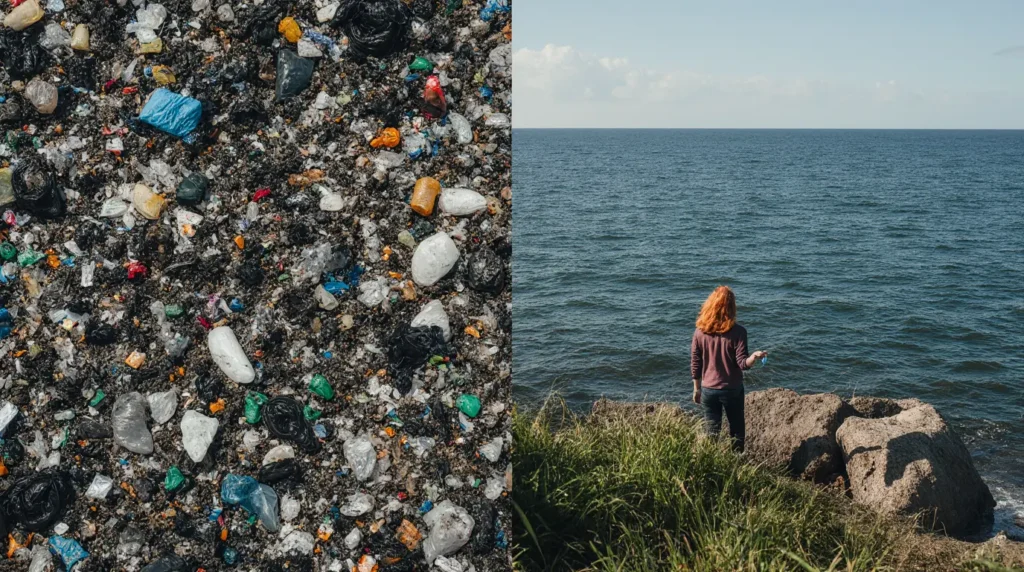
Environmental Benefits – zero waste life
The benefits to the environment of leading a zero waste, lifestyle are among the most compelling arguments. Cutting back on trash contributes to pollution reduction, resource conservation, and wildlife protection. In particular, plastic trash is a major danger to ecosystems and marine life.
Economic Advantages – zero waste life
Zero waste living often leads to spending less money. Buying fewer disposable items, repairing instead of replacing, and choosing reusable products can reduce household expenses over time.
Healthier Living – zero waste life
Many zero waste practices encourage the use of natural, chemical-free products and fresh, unpackaged foods. This can result in a healthier lifestyle with fewer toxins and processed materials in everyday life.
Community Impact
When individuals choose zero waste, businesses and communities are encouraged to offer sustainable options. This collective effort can lead to better recycling systems, eco-friendly packaging, and environmental awareness at a larger scale.
Common Sources of Household Waste
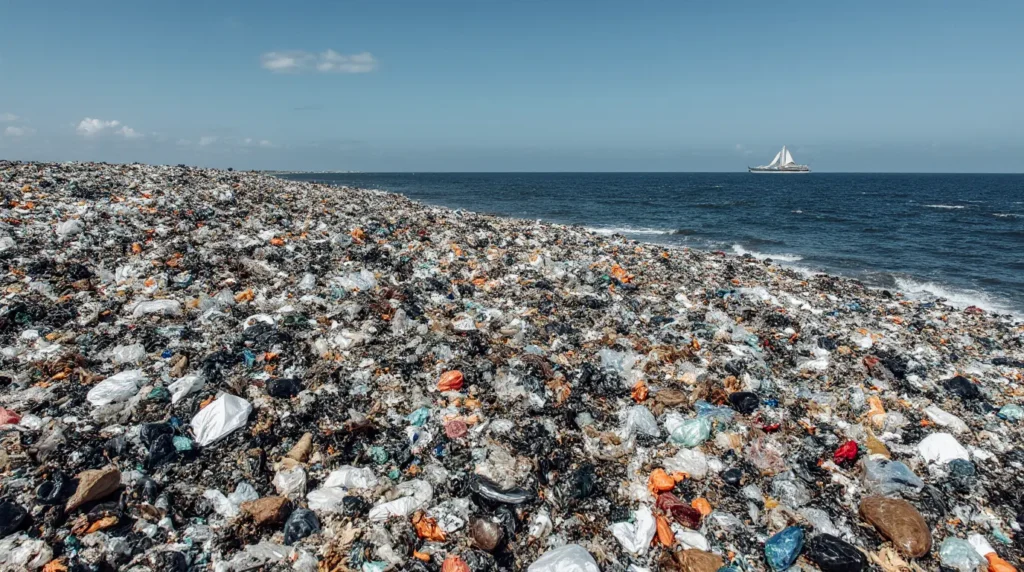
Understanding where waste comes from is the first step toward reducing it. Common sources include:
- Single-use plastics such as bags, bottles, and wrappers
- Food waste from uneaten or expired food
- Paper waste including receipts, packaging, and junk mail
- Fast fashion clothing that wears out quickly
- Disposable hygiene and cleaning products
By identifying these areas, it becomes easier to make changes that align with zero-waste goals.
How to Start a Zero-Waste Lifestyle
Start Small and Be Realistic
Zero-waste living is a journey, not an overnight transformation. Begin with easy swaps and build habits gradually. Even small changes can make a big difference over time.
Reduce Single-Use Plastics
Replace disposable items with reusable alternatives such as:
- Cloth shopping bags
- Refillable water bottles
- Stainless steel or glass food containers
- Reusable coffee cups and straws
These simple changes can drastically cut down plastic waste.
Practice Conscious Shopping
Before purchasing anything, ask yourself:
- Do I really need this?
- Can I borrow or buy it second-hand?
- Is there a reusable or sustainable option?
Choosing quality over quantity helps reduce waste and promotes long-term use.
Zero Waste in the Kitchen

The kitchen is often the biggest source of household waste, but it is also the easiest place to make changes.
Reduce Food Waste
Plan meals, store food properly, and use leftovers creatively. Composting food scraps is another excellent way to prevent organic waste from ending up in landfills.
Buy in Bulk
Purchasing grains, spices, and snacks in bulk reduces packaging waste. Many stores allow customers to bring their own containers.
Use Reusable Alternatives
Switch from paper towels and plastic wrap to cloth towels, beeswax wraps, or silicone lids. These options are reusable and eco-friendly.
Zero Waste Bathroom and Personal Care
The bathroom is another area where waste can be reduced significantly.
Eco-Friendly Personal Care Products
Choose products with minimal or recyclable packaging, such as:
- Shampoo bars instead of bottled shampoo
- Bamboo toothbrushes
- Refillable soap and skincare containers
Reusable Hygiene Products
Reusable cotton pads, menstrual cups, and cloth razors are sustainable alternatives that reduce waste and save money.
Sustainable Fashion Choices
Fast fashion contributes massively to global waste. Adopting a zero waste mindset in fashion involves:
- Buying fewer, high-quality clothes
- Shopping second-hand or thrift stores
- Repairing clothes instead of throwing them away
- Donating or swapping unwanted items
These practices reduce textile waste and promote ethical consumption.
Zero Waste at Work and On the Go
Zero-waste living doesn’t stop at home. You can reduce waste wherever you go.
- Carry a reusable water bottle and cutlery
- Say no to disposable items like plastic bags and straws
- Use digital documents instead of printing
- Pack lunches in reusable containers
Small daily habits can lead to significant waste reduction over time.
Challenges of a Zero Waste Lifestyle
While rewarding, zero waste living does come with challenges.
Limited Access to Sustainable Options
In some areas, bulk stores and eco-friendly products may not be easily available. In such cases, focus on reducing waste with what you have.
Social and Cultural Barriers
Zero waste choices may seem inconvenient or unusual to others. Educating friends and family gently and leading by example can help overcome this.
Perfection Pressure
Zero waste is not about producing zero trash. It’s about doing better, not being perfect. Progress matters more than perfection.
The Future of Zero Waste Living
As awareness grows, more businesses are adopting sustainable practices, and governments are introducing waste-reduction policies. The future of zero waste depends on collective action and mindful consumption.
Technology, innovation, and community efforts are making sustainable living more accessible than ever. By adopting a zero waste lifestyle today, individuals contribute to a healthier planet for future generations.
Conclusion
A zero waste lifestyle is a powerful way to reduce environmental harm, save money, and live more intentionally. It encourages mindful consumption, responsible disposal, and appreciation for the resources we use every day.
You don’t need to change everything at once. Start small, stay consistent, and focus on progress. Every reusable item, every refused plastic bag, and every composted food scrap makes a difference. By choosing zero waste, you are choosing a cleaner, greener, and more sustainable future.