AI Smartphones and the Future of Intelligent Tech
Explore how AI smartphones are transforming the future of technology with advanced features, smart performance, automation, and next-gen user experiences.
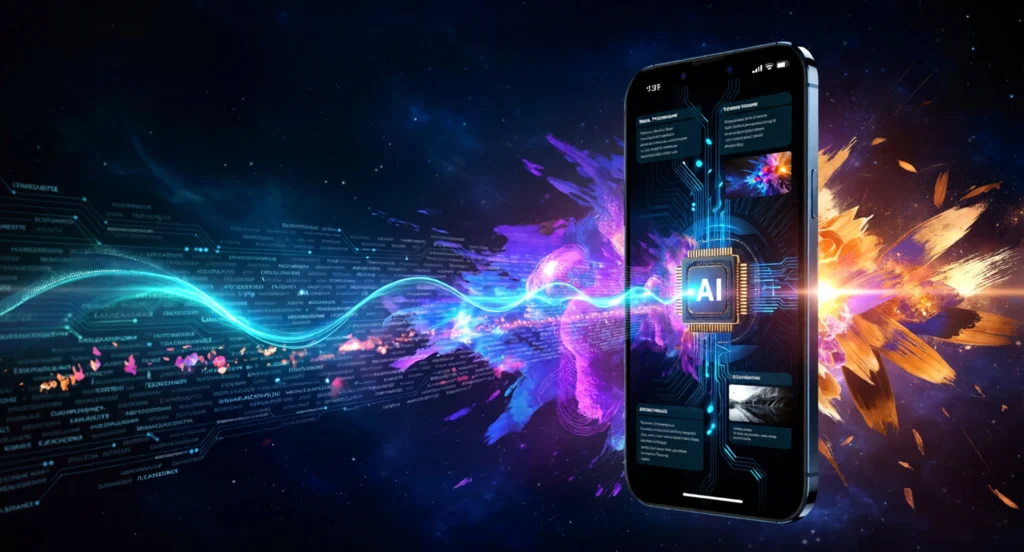
AI Smartphones & Future Technology: The Next Era of Intelligent Innovation
Artificial Intelligence (AI) has rapidly evolved from a futuristic concept into an everyday necessity. Among its most influential applications, AI smartphones stand at the front line of innovation, reshaping how we interact with technology, access information, and navigate the digital world. As we move into the second half of the decade, AI smartphones are expected to become more advanced, intuitive, and deeply integrated into our daily lives. This article explores how AI smartphones are changing the tech landscape and what the future may hold.
The Rise of AI in Modern Smartphones
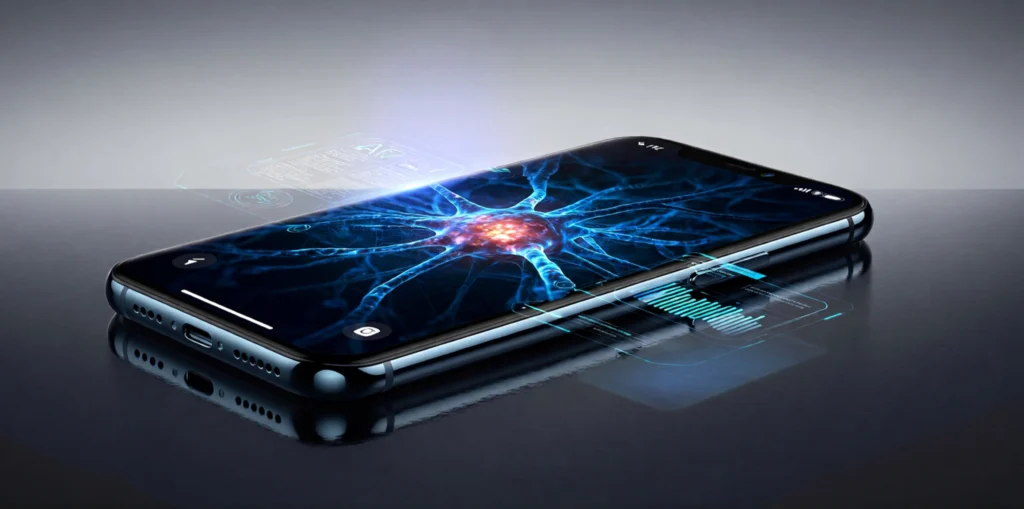
Smartphones have always been advanced devices, but AI has propelled them into an entirely new category of intelligence. Early features like predictive text and basic voice assistants were only stepping stones. Today’s AI smartphones are capable of performing tasks such as real-time translation, personalized content creation, scene-based photography enhancements, and autonomous system optimization.
Flagship devices now include Neural Processing Units (NPUs)—specialized chips that allow phones to process AI tasks faster and more efficiently. This hardware evolution shows that AI is no longer an add-on but a core element of smartphone performance.
AI-Powered Photography: Smarter Cameras, Sharper Memories
One of the greatest transformations AI brings to smartphones is in photography. Modern AI-enhanced cameras can detect scenes, adjust settings, and improve image quality in real time. These features include:
- Scene recognition to optimize lighting, color, and focus
- AI image stabilization for clearer photos and videos
- Enhanced night mode that uses multi-frame processing
- Real-time object tracking for moving subjects
- Generative AI photography tools for background editing, sky enhancement, and image expansion
In the future, we can expect smartphones to use AI-driven computational photography, creating images that outmatch conventional DSLR quality.
Smarter System Performance and Battery Optimization
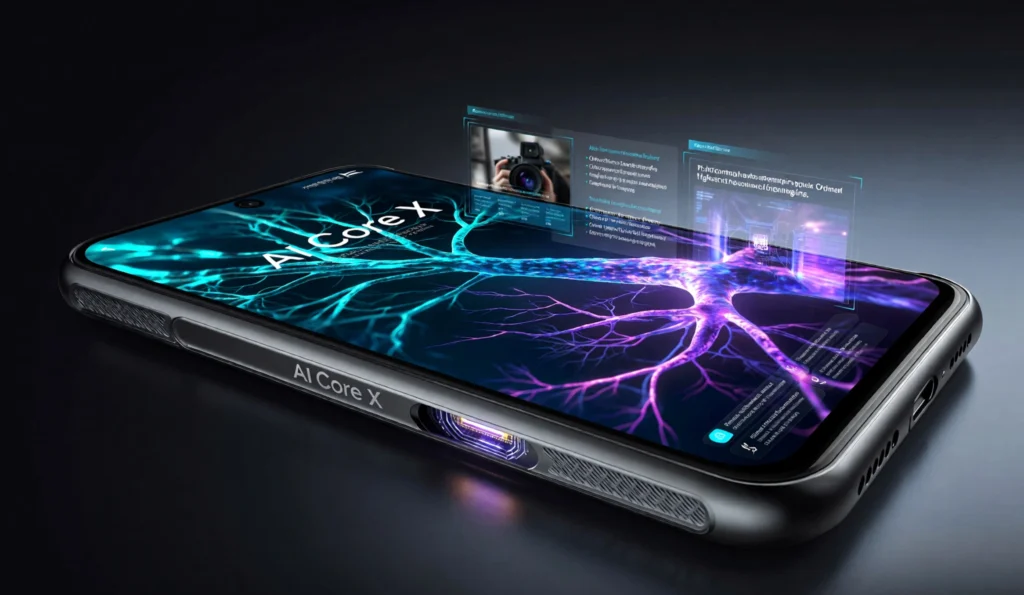
AI smartphones are becoming more efficient in managing internal resources. Current AI systems can:
- Analyze how users interact with apps
- Predict daily usage patterns
- Adjust CPU and GPU power accordingly
- Reduce unnecessary background processes
- Extend battery life through intelligent optimization
As AI improves, smartphones will not only be faster but also capable of learning from each user individually. This means no two phones will behave exactly the same, even if they are the same model—each device becomes uniquely optimized.
Future of AI Assistants: More Human-Like and Context-Aware
AI assistants such as Siri, Google Assistant, and Bixby are becoming more conversational, natural, and deeply integrated into apps. With advanced language models, future assistants will be able to:
- Hold context-aware conversations
- Perform complex tasks such as booking flights or managing finances
- Understand emotions through voice patterns
- Auto-write messages, emails, and documents
- Provide intelligent suggestions based on location, habits, and preferences
- Translate conversations in real time during phone calls
The next evolution may bring fully autonomous smartphone agents capable of acting independently—like responding to emails, organizing schedules, or summarizing daily activities without being asked.
AI-Driven Security and Privacy Innovations
Security is one of the most essential aspects of smartphones. AI is making devices safer through innovations like:
- Face recognition with depth mapping
- On-device AI processing to avoid cloud data sharing
- Smarter biometric patterns that detect spoofing attempts
- Behavioral authentication, which recognizes how you hold and use your device
In the future, AI smartphones may incorporate continuous authentication, which keeps verifying identity in real time through usage patterns like typing style, gestures, and voice tone.
AI in Communication: Breaking Language and Accessibility Barriers
Future smartphones will focus heavily on human-centric AI features, such as:
- Live transcription
- Instant translation in calls or video chats
- AI-generated summaries of conversations
- Communication assistance for visually or hearing-impaired users
These features will make global communication seamless and inclusive, ensuring everyone can interact without language or accessibility limitations.
Immersive AR/VR Experiences Powered by AI
Augmented Reality (AR) and Virtual Reality (VR) are key areas where AI smartphones will dominate. Future AI-enabled devices will offer:
- AI lens enhancements for 3D object detection
- More accurate AR overlays for navigation and gaming
- Virtual try-ons in shopping apps
- Real-time room scanning for interior design or measurements
With AI and AR working together, smartphones will become essential tools for education, business, entertainment, and digital creativity.
AI Smartphones and the Internet of Things (IoT)
As more homes and workplaces shift toward smart automation, AI smartphones will act as central controllers for all IoT devices. They will:
- Manage home security cameras
- Control lighting and energy systems
- Automate appliances
- Track health devices and fitness equipment
- Sync with cars, wearables, and virtual assistants
The future could involve hyper-connected AI ecosystems where smartphones predict user needs and automate daily routines.
Generative AI Integration: Creativity at Your Fingertips

Generative AI is transforming how users create content on smartphones. Integrated tools allow:
- AI-generated images
- Automated video editing
- Smart caption writing
- Music creation
- Social media post generation
- AI avatars and digital personalities
Soon, smartphones may become portable creative studios, enabling professional-level content creation without additional software.
What the Future Holds
By 2030, AI smartphones are expected to feature:
- Fully autonomous digital assistants
- Zero-lag generative content creation
- AI-driven cybersecurity firewalls
- Holographic displays and AR glasses integration
- Emotional AI that adapts to the user’s mood
- Personalized AI ecosystem for every individual
These advancements will redefine how we live, work, and communicate—making AI smartphones the most essential devices of the future.
Conclusion
AI smartphones are no longer just communication tools; they have become intelligent companions capable of learning, adapting, and evolving. With every new advancement, we move closer to a world where technology seamlessly blends with human life. The future of AI smartphones promises smarter interactions, stronger security, enhanced creativity, and endless possibilities. As AI continues to grow, so will the impact of smartphones—unlocking a truly connected and intelligent future.