Digital Alchemists: Reshaping Global Culture and Commerce
From vlogging pioneers to mega-influencers, this article explores the anatomy of the internet celebrity phenomenon, its economic power, and the complex societal costs of living in the curated spotlight of the creator economy.
The modern landscape of fame is no longer dominated by Hollywood casting calls and stadium tours. A new class of public figures—often referred to as Internet celebrities, content creators, or influencers—has risen from the fertile ground of social media platforms, fundamentally reshaping culture, commerce, and communication. These digital alchemists leverage a curated authenticity and a direct line of communication to their audiences, creating a new economic and social phenomenon that far surpasses the reach and resonance of traditional media stardom. The journey from niche hobbyist to global brand ambassador is now a well-trodden path, but one that comes with both glittering rewards and profound psychological costs.
The Genesis of Digital Stardom
The concept of an influential personality is not new; before the internet, it was the domain of film stars, musicians, and models. However, the rise of Web 2.0 in the early 2000s—marked by platforms like MySpace, early blogs, and crucially, YouTube (launched in 2006)—democratized the creation and distribution of content. This shift from content consumption to content creation laid the groundwork for the first generation of digital stars, primarily bloggers and vloggers.
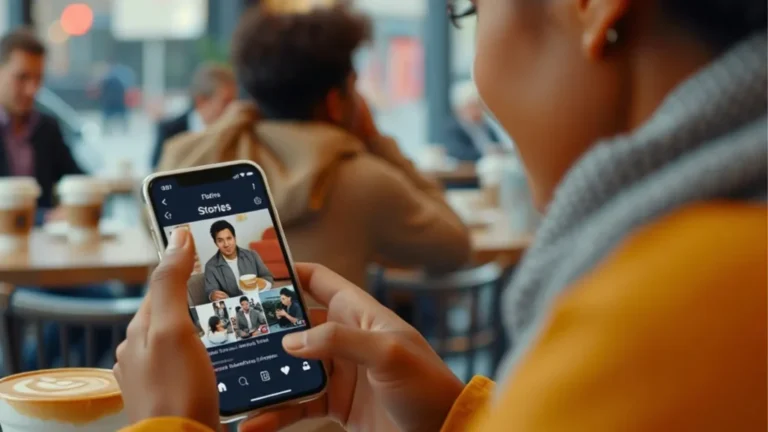
These early pioneers, armed with nothing more than a camera and an authentic voice, built followings around niche interests—from beauty tutorials and gaming commentary to book reviews and cooking demonstrations. Their appeal lay in their relatability; they were not untouchable celebrities but rather “friends” who offered genuine recommendations and transparent insights. This sense of perceived intimacy, known in psychology as a parasocial relationship, is the bedrock of the entire influencer economy. As platforms like Instagram, TikTok, and Twitch evolved, they provided increasingly sophisticated tools for engagement, turning casual content consumption into a fully interactive, communal experience. Today, a successful influencer isn’t just a broadcaster; they are a community leader, a curator, and a market mover.
The Anatomy of a Modern Influencer
The modern Internet celebrity operates less as a static star and more as a dynamic personal brand. Success is predicated on a complex blend of algorithmic mastery, content consistency, and a carefully maintained public persona.
Influencers are typically categorized by the size of their audience, which dictates their market value:
- Nano- and Micro-Influencers: (1,000 to 100,000 followers) These creators have highly engaged, niche communities. Their recommendations are often trusted the most due to their perceived authenticity and specialized expertise. They are the tactical forces in the marketing world.
- Macro- and Mega-Influencers: (Over 100,000 to millions of followers) These are the digital titans. While their engagement rate may be slightly lower than micro-influencers, their sheer reach guarantees massive visibility. They operate as global spokespeople, commanding six- or even seven-figure incomes for major brand campaigns.
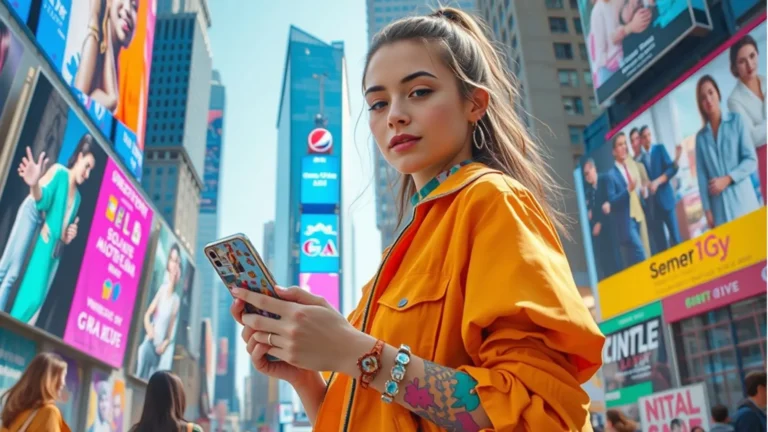
The content they produce is a carefully calculated mix of personal life and professional output. Followers feel like they are getting an unfiltered look behind the curtain, when in reality, every post is a deliberate contribution to the overall brand narrative. This is where the term “Internet Chic” truly applies—the creation of a highly aspirational yet seemingly achievable digital aesthetic that viewers want to emulate.
The New Engine of Commerce: The Creator Economy
The influence industry has matured into a multi-billion dollar creator economy. Its financial power stems from its ability to bypass traditional, interruptive advertising in favor of native advertising—content that is seamlessly woven into the influencer’s regular feed. Brands allocate significant portions of their marketing budgets to these partnerships because the Return on Investment (ROI) is often superior to traditional ads.
The monetization strategies employed by Internet celebrities are diverse and constantly evolving:
- Brand Partnerships/Sponsored Content: The cornerstone of the economy. A brand pays the influencer a fixed fee to promote a product or service. Regulations, such as those from the FTC, increasingly require transparent disclosure (e.g.,
#ad,#sponsored), though the line between genuine enthusiasm and paid promotion remains perpetually blurred. - Affiliate Marketing: Influencers provide a unique link or code, earning a commission on every sale generated through their audience. This model rewards genuine conversion and is common in the fashion, beauty, and tech spaces.
- Direct Product Launches: Many successful creators transition into entrepreneurs, launching their own lines of merchandise, cosmetics, clothing, or digital products like e-books and online courses. They leverage their built-in audience as a direct-to-consumer sales channel, removing the middleman entirely.
- Platform Monetization: Direct payments from the platforms themselves through ad revenue shares (like the YouTube Partner Program) and subscription models (Patreon, Twitch subscriptions, and YouTube memberships).
This economy has created a new definition of labor, offering creative fulfillment and potentially immense wealth for a select few, while simultaneously generating a massive “hustle culture” among aspiring creators, all vying for a fraction of the digital spotlight.
The Shadow Side of the Spotlight

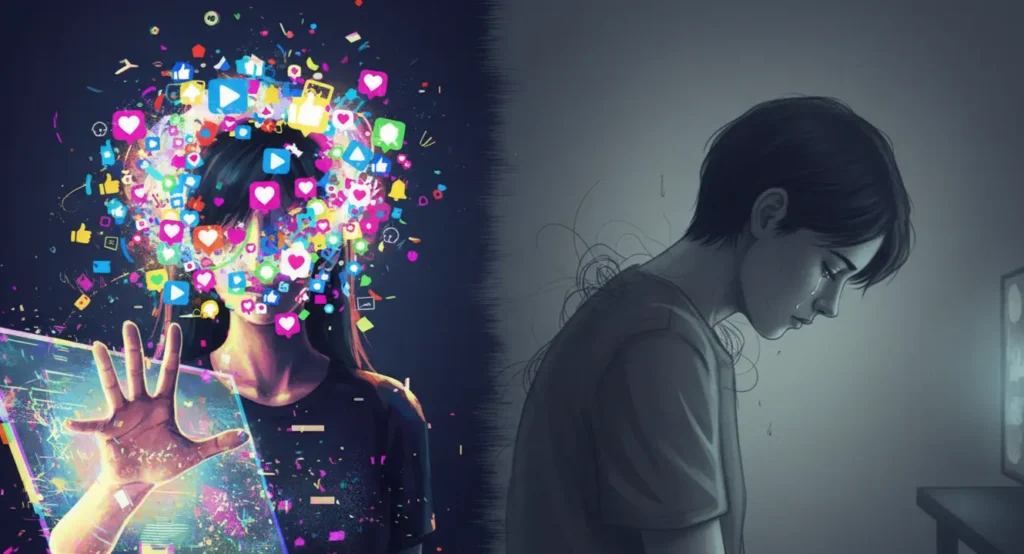
For all its glamour and economic opportunity, the rise of the Internet celebrity has a significant human cost. The pressure to maintain a perpetually engaging and “flawless” public image often exacts a severe toll on the mental well-being of the creators themselves. They are perpetually vulnerable to public scrutiny, cyberbullying, doxxing, and the emotional whiplash of non-stop performance. The constant need to “feed the algorithm” creates chronic stress and the fear of fading into obscurity, leading many to struggle with burnout, anxiety, and depression.
Furthermore, the audience is not immune to the negative impacts. The persistent exposure to the curated, hyper-realities of “Internet Chic”—where perfection is the norm and sponsored materialism is ubiquitous—has been linked to increased levels of body image dissatisfaction, low self-esteem, and materialism in followers, particularly among young adults. The parasocial relationship, while commercially effective, can sometimes turn into an unhealthy obsession for the audience, blurring the lines between the public persona and the private individual.
In a broader sense, the influencer phenomenon also introduces ethical and societal complexities. The lack of transparency in some marketing practices, the use of deceptive filters and editing, and the potential for a single, charismatic figure to shape public opinion on critical social or political issues—sometimes without any genuine expertise—underscores the need for greater media literacy and responsible self-regulation within the digital sphere.
The Future of Influence
The trajectory of the Internet celebrity continues to evolve rapidly. The next wave of influence is already here, marked by the rise of virtual influencers (CGI-generated personas) and the growing emphasis on long-form, educational, and high-production value content over fleeting viral moments. Brands are shifting away from one-off transactional deals toward deeper, long-term partnerships that prioritize authenticity and measurable community impact.
Ultimately, the Internet celebrity is a defining cultural figure of the 21st century—a reflection of our digital desires, economic aspirations, and the ever-shifting boundary between the public and private self. They are a powerful force of change, a new class of entrepreneurs, and a continuous source of debate, ensuring that the influence they wield will continue to shape how we shop, think, and interact for years to come.