The Digital Altar: Internet Scrutiny and the Female Celebrity
An analysis of the intense, often disproportionate, criticism female celebrities face online, exploring the roots of this digital scrutiny and its profound impact.
The internet has fundamentally reshaped our relationship with celebrity, tearing down the velvet rope of traditional media and offering a seemingly direct line into the lives of the famous. For female celebrities, this new digital landscape has become a double-edged sword: a powerful tool for self-narration and a perpetual, unforgiving courtroom of public opinion. The collective scrutiny of the global internet, often filtered through the harsh lens of misogyny and impossible standards, has created a phenomenon where prominent women are held to a dizzying level of accountability that their male counterparts rarely face. This article delves into the culture of “Internet Chicks on Celebrities”—a pervasive, often destructive, form of digital critique.
The Amplification of Scrutiny: A Gendered Lens
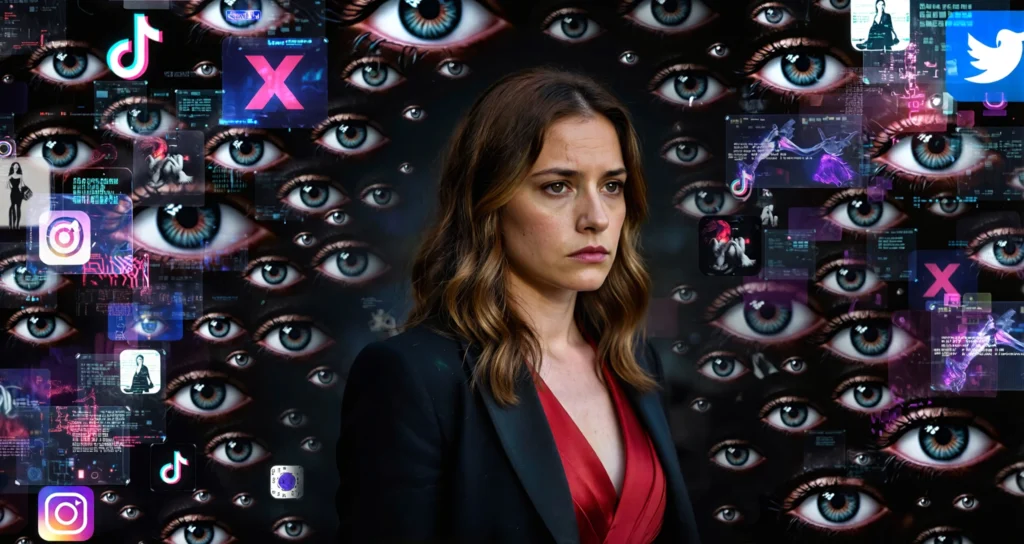
The central mechanism of this digital phenomenon is the amplification of scrutiny. Every public move, every interview quote, every outfit, and every relationship is immediately disseminated, debated, and judged by millions of users across platforms like X (formerly Twitter), Instagram, TikTok, and Reddit. While all celebrities are subject to this, the criticism directed at women is distinctly and overwhelmingly gendered.
The core of this gender disparity lies in societal double standards that the internet both reflects and magnifies. For decades, the media has packaged female celebrities into neat, often restrictive, archetypes: the ingenue, the sex symbol, the good wife, or the rebel. When a woman deviates from her assigned role—or simply shows a moment of vulnerability or humanity—the internet is quick to pounce.
- The “Ungrateful” Narrative: Actresses like Rachel Zegler have faced disproportionate vitriol for making seemingly innocuous comments about needing a job or critiquing an old character, an attitude that is often forgiven or even praised as “humble” or “honest” when expressed by a male actor.
- The Appearance Policing: Female celebrities are relentlessly scrutinized for their bodies and looks. They are criticized for aging, for gaining weight, for losing weight, for using filters, and for undergoing cosmetic procedures. The expectation is an unattainable, static perfection, and any perceived flaw is treated as a moral failing.
- The Professional Devaluation: When a woman is successful, her talent is often decentered or questioned. Pop stars are frequently dismissed as “talentless but pretty” or “calculated,” while their male peers’ success is more often attributed directly to skill or genius.
This scrutiny is not just about celebrity; it’s a form of societal control. As some commentators note, the ruthless tearing down of successful women serves as a visible example—a digital warning—to all women not to be “too successful,” “too loud,” or to “live the way you want,” lest they also be brought down.
The Architecture of Online Cruelty
The sheer volume and speed of internet discourse make it particularly toxic. Online hate is not a series of isolated incidents; it’s a relentless, cumulative assault driven by specific digital architectures.
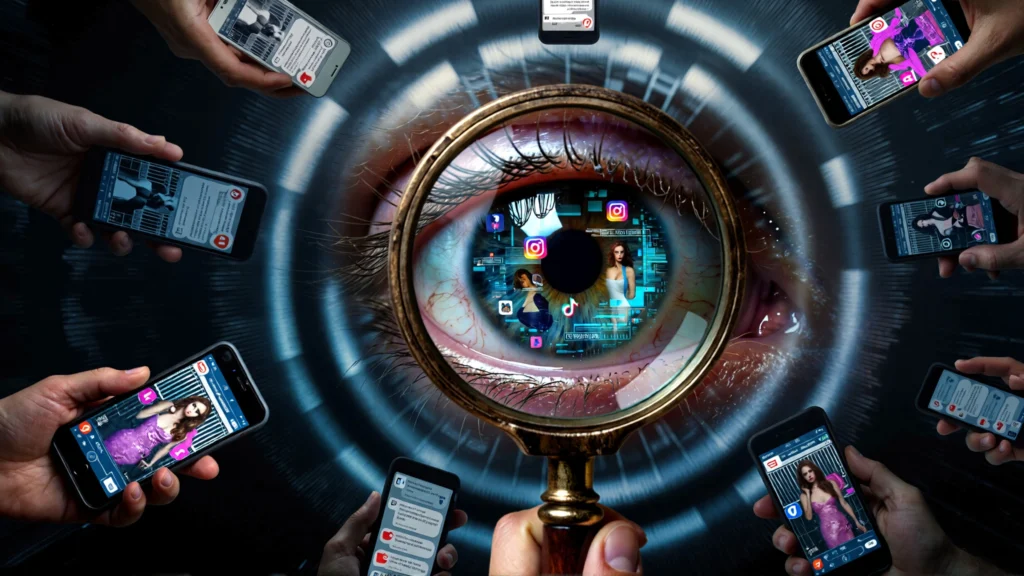
1. The Power of the Algorithm
Algorithms on social media platforms are often optimized for engagement, and outrage and negativity generate high engagement. Hateful, controversial, or “hottest take” content is therefore pushed to the top of users’ feeds, ensuring that the most toxic criticisms—often misogynistic “e-bile”—receive the widest possible audience. This creates a vicious cycle where users are rewarded for spewing hateful content, thereby amplifying the emotional and psychological damage to the target.
2. The Illusion of Accountability
The modern critique often cloaks itself in the language of “accountability” or “social justice,” providing a veneer of moral high ground to what is essentially public shaming. A celebrity may be labeled “problematic” for vague, unquantifiable reasons, giving users an excuse to tear into them ruthlessly. This allows for the mob-like behavior of “stan culture” and anonymous forums to execute public cancellations, often based on decades-old rumors, out-of-context clips, or simply a collective decision that a woman is “unlikable.”
3. The Cult of Authenticity vs. The Pressure of Perfection
Social media initially promised to give celebrities control over their narratives, allowing them to present a more “authentic” self. However, this has backfired spectacularly for women. The demand for authenticity clashes violently with the pressure of perfection. If a female celebrity posts an unedited photo, she is called sloppy; if she posts a filtered one, she is called fake or setting unrealistic standards.
The Profound Impact: Mental Health and The Streisand Effect
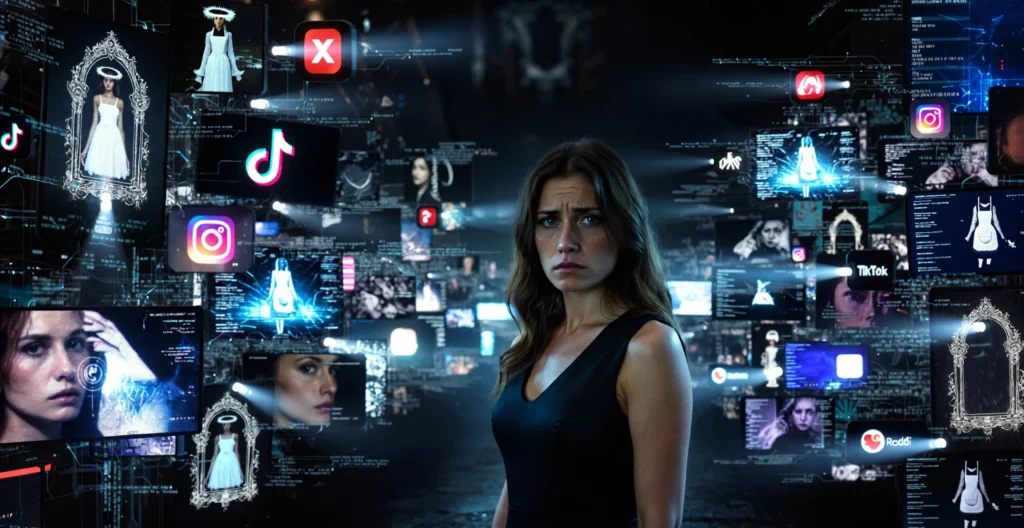
The consequences of this continuous digital battering are not just professional; they are deeply personal. Celebrities like Selena Gomez and others have spoken openly about the toll of constant scrutiny, citing anxiety, depression, and the immense pressure to maintain an idealized image. The unique vulnerability of the female celebrity to this kind of hate has very real-world outcomes.
Furthermore, attempts by celebrities or their teams to control the narrative often backfire, leading to the Streisand Effect. Named after Barbra Streisand’s unsuccessful attempt to remove a photo of her house from the internet, this effect demonstrates that trying to suppress information only draws greater attention to it. A notable example is Beyoncé’s publicist requesting the removal of “unflattering” photos from a Super Bowl performance, which only led to the images becoming instantly viral and cementing themselves in internet culture.
Navigating the Digital Minefield
For female celebrities, the challenge today is not just to maintain a successful career but to survive the constant barrage of judgment with their mental health intact. Strategies for navigating this digital minefield are evolving:
- The Strategic Use of Silence: Sometimes, the best response to baiting trolls is no response at all, allowing the negativity to “scream into the void” without giving it further energy.
- Using Platforms for Advocacy: Some women use their considerable platform to challenge the double standards directly, turning the spotlight back onto the systemic issues of misogyny.
- Reframing the Criticism: Taking a derogatory label and owning it, as Serena Williams did with “aggressive,” by reframing it as “powerful.”
- Doubling Down on Message: Standing firm on one’s values and research rather than shrinking, as seen with some female thought leaders.
The internet’s lens on female celebrities is a perfect cultural mirror, reflecting back our own deeply ingrained prejudices and impossibly high expectations for women in the public eye. Until society collectively dismantles the systems that celebrate the downfall of women far more readily than they champion their success, the digital altar will remain a dangerous place for the female celebrity. The “chicks on the internet” may be an amorphous group of users, but their collective impact is a powerful, often destructive, force that continues to define the modern celebrity experience.