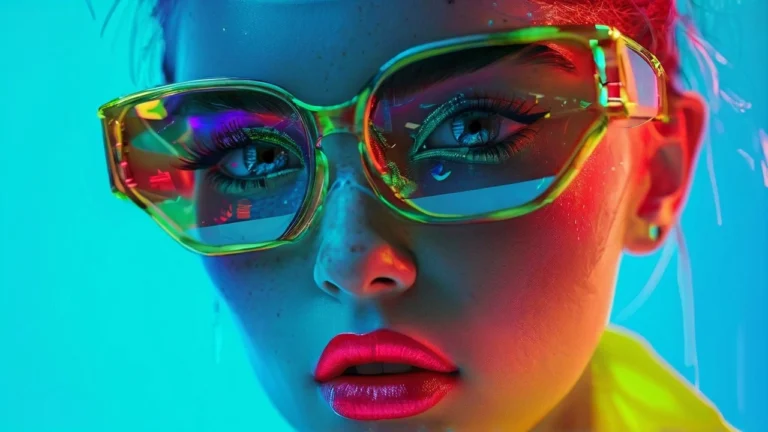
The internet dictates modern style. Explore how digital tastemakers drive hyper-fast trends, from Cottagecore to Clean Girl, challenging ethics and sustainability.
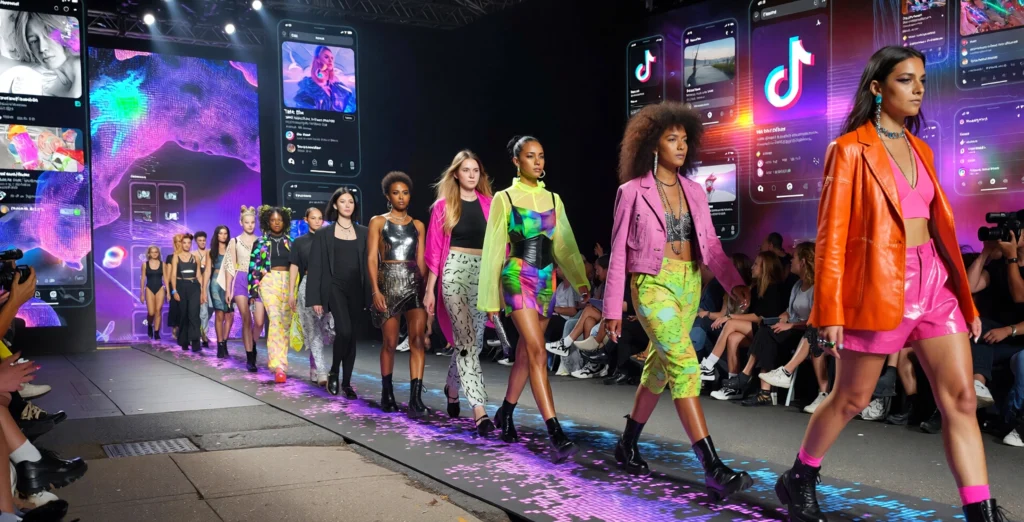
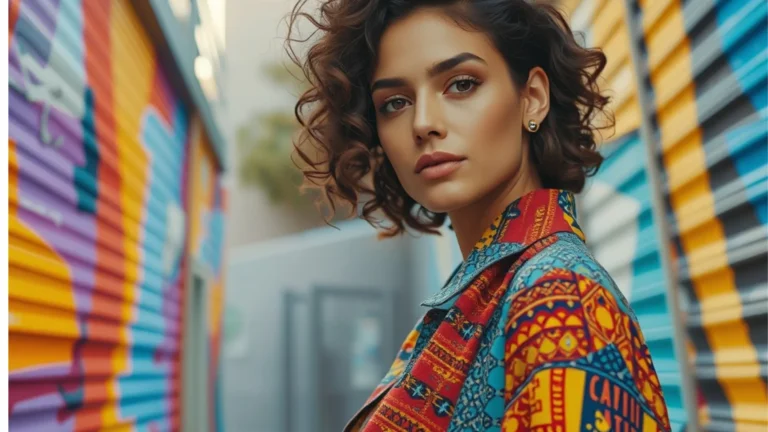
The internet is more than just a network of data; it’s a rapidly pulsating, trend-setting runway where style is democratized, instantaneous, and constantly being reinvented. From the curated feeds of Instagram to the quick cuts of TikTok, internet chicks—the influential women and non-binary people who set style narratives online—have fundamentally transformed how we perceive, consume, and participate in fashion. This article explores the dynamic, diverse, and often contradictory trends championed by these digital tastemakers, tracing their influence from niche online communities to global high streets.
The Rise of the Algorithmic Aesthetic
Before the era of mass social media, fashion trends were largely dictated by a few major fashion houses, magazines, and celebrities. The internet, however, shattered this monolithic structure. Platforms like Tumblr, Pinterest, and later Instagram and TikTok gave rise to micro-trends driven not by centralized authority but by decentralized communities and, crucially, the algorithm.
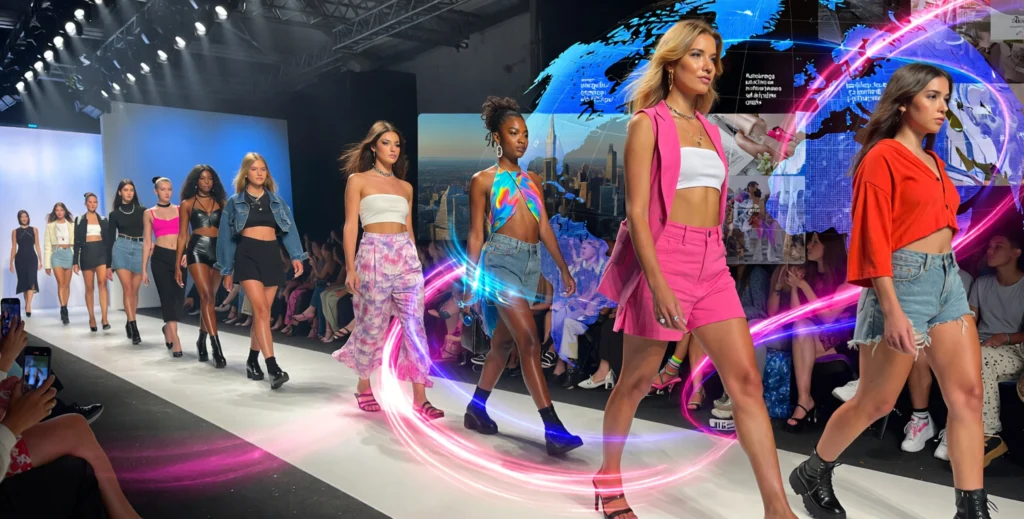
The core of “internet fashion” is its sheer speed and variety. A look can go from a niche concept like “Cottagecore” to a worldwide phenomenon in a matter of weeks, driven by viral content and influencer adoption. This accelerated trend cycle means that today’s internet fashion is less about one singular look and more about a rapid succession of distinct, often opposing, aesthetic styles.
From Cottagecore to ‘Clean Girl’: A Spectrum of Style
Internet fashion thrives on the creation of distinct, often-core branded aesthetics. These are not just outfits they are complete visual narratives that users can adopt to project a certain persona or worldview.
Cottagecore: A romantic, nostalgic escape from modern life, characterized by flowing floral dresses, puffed sleeves, embroidery, and a focus on nature. It represents a yearning for simplicity and bucolic fantasy.
Dark Academia: A sophisticated, often moody aesthetic inspired by classic literature, old universities, and the pursuit of knowledge. Think tweed blazers, loafers, pleated skirts, dark color palettes, and layering.
Y2K Revival: The resurgence of early 2000s trends, driven by nostalgia and a maximalist, playful spirit. Key elements include low-rise jeans, butterfly clips, tiny handbags, colorful prints, and crop tops.
The ‘Clean Girl’ Aesthetic: A recent dominant trend that emphasizes minimalist, polished, and effortless simplicity. It focuses on perfectly tailored basics (often in neutral colors), slicked-back hair, glowing skin, and subtle, elevated accessories. This aesthetic often signals affluence and self-care.
Aesthetic Blending and Irony: Perhaps the most defining characteristic is the willingness to mix and match. It’s common to see a blending of aesthetics, like a punk-inspired chunky boot worn with a cottagecore dress or a Y2K baby tee paired with a dark academia blazer. This ironic, eclectic mixing is a hallmark of Gen Z’s approach to style.
The Influencer Economy and The ‘Haul’ Culture
The people driving these trends are the content creators, often referred to as influencers or digital tastemakers. Their role is multifaceted: they curate, they authenticate, and, most importantly, they encourage consumption.
The ‘haul’ video—where a creator shows off their recent purchases, often from fast-fashion retailers—is a cornerstone of internet fashion consumption. These videos make style accessible, showing viewers exactly where to buy the items needed to replicate a desired aesthetic. The intimacy of the format makes the advice feel personal, creating a powerful, direct line from trend inception to viewer purchase.
This accessibility, however, has a critical flip side. The speed of the trend cycle, fueled by hauls and rapid-fire content, has heavily boosted the reliance on ultra-fast fashion. Brands that can produce clothes matching a viral trend within days are the beneficiaries. This practice raises significant ethical concerns regarding labor, waste, and sustainability—a tension that is often debated within the very communities that drive the trends.
Customization, Identity, and Authenticity
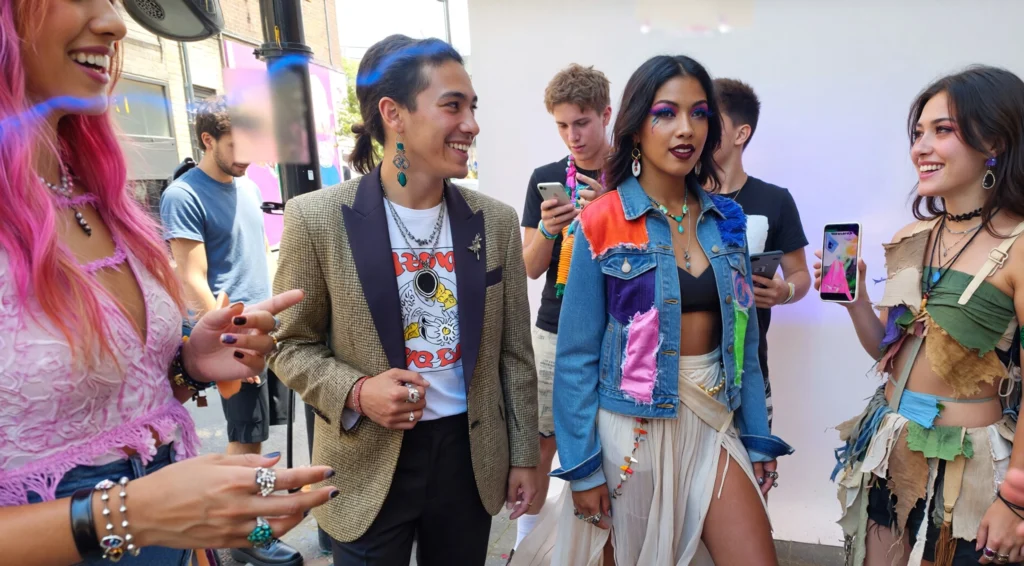
Internet fashion is intrinsically linked to identity construction. Unlike past eras where following a trend meant conformity, today’s digital fashion landscape is about using the trend as a starting point for self-expression.
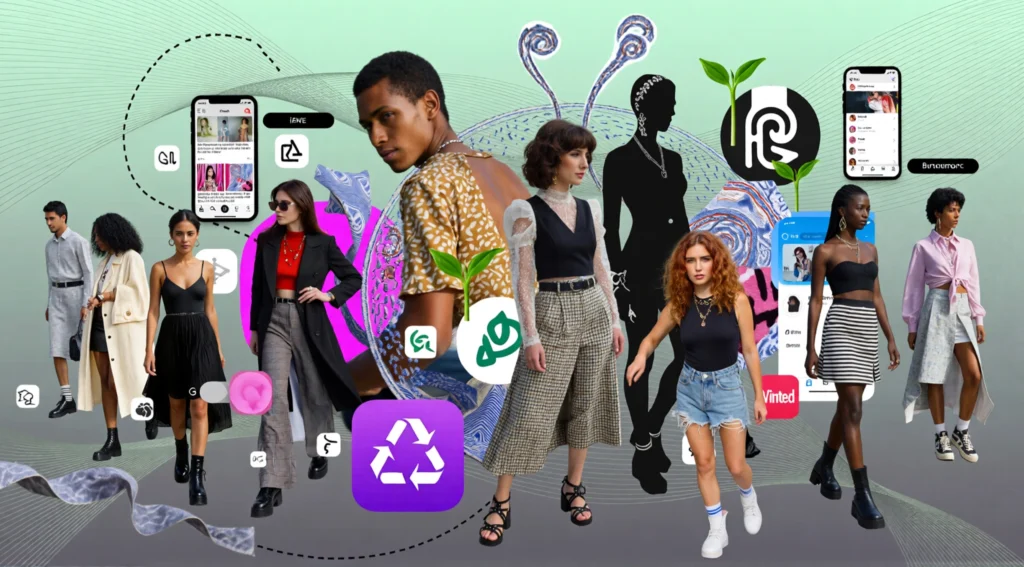
Platforms like Depop and Vinted, which facilitate the buying and selling of vintage and pre-loved clothing, have also exploded in popularity. This move towards secondhand and vintage items is driven by a desire for unique, non-mass-produced pieces and, increasingly, by ethical consciousness. Creators who showcase their customized, thrifted, or upcycled finds are often praised for their authenticity—a highly valued currency online.
The rise of body positivity and diverse representation has also shaped internet fashion. Influencers across all sizes, genders, and ethnicities are showcasing how to style trends, making fashion feel more inclusive and representative of the real world than ever before. This diversity is crucial, as it provides a counter-narrative to the traditionally exclusive and narrow body standards of legacy media.
The Future of Digital Style: Phygital and Beyond
The next frontier of internet fashion is the blurring of the physical and digital worlds, or “Phygital” style. This includes:
Digital/Virtual Fashion: The creation of clothing that exists only in virtual spaces (like video games or the metaverse). Users buy these items to dress their avatars, proving that the desire for self-expression extends beyond the physical body.
AI and Personalized Styling: As algorithms become more sophisticated, they are moving beyond simply showing you trends to actively predicting and creating personalized style suggestions based on your body type, color preferences, and past purchases.
Sustainability as a Trend: While fast fashion still dominates, there is a clear, growing movement where ethical sourcing, slow fashion, and circularity are becoming aesthetics in their own right, championed by creators who prioritize conscious consumption.
In conclusion, the fashion of the “internet chick” is a vibrant, chaotic, and fascinating reflection of contemporary culture. It’s a dynamic ecosystem powered by algorithms, driven by micro-communities, and defined by a constant, creative tension between hyper-consumption and unique self-expression. It has democratized style, giving every person with an internet connection the power to be both a consumer and a creator, ensuring that the digital runway will never have a final look.
Uncover how Internet Chicks are transforming contemporary fashion through their digital prowess, genuine expression, and innovative spirit. Delve into their influence on styles, trends, and cultural aesthetics. Fashion, a constantly shifting representation of individual and societal identity, has seen significant transformations over time. Currently, a new trendsetter has emerged: the Internet Chicks. These tech-savvy and…
If you’re looking into premium haircare options, Hair The Salon Tucson Jackie Roushall should be at the top of your list. This salon not only focuses on delivering stunning hairstyles but also ensures an exceptional experience for each client. Centrally located in Tucson, it provides high-quality hair services tailored to those seeking professional care. Whether…
Adjust the spaces between the buttons for an ideal fit, since fashion has consistently mirrored the values and ambitions of society. It transcends mere apparel; it serves as a form of self-expression, cultural representation, and a catalyst for social transformation. Have you ever felt the annoyance of wearing a shirt or blouse, only to discover…
Corteiz Clothing shines brightly in the fashion realm, effortlessly merging elegance with eco-friendliness. Amid the ever-evolving landscape of fashion, where styles shift frequently, Corteiz Clothing has quickly carved out a reputation for itself in the competitive fashion industry. The morality, design philosophy, and steadfast dedication to sustainability of Cortez Clothing are all explored in depth…
Learn about the emergence of the Sweatlar, a chic combination of a hoodie and a sweater. Discover how this adaptable item blends style and comfort, making it an essential addition to contemporary wardrobes. Introduction In recent years, fashion has seen a shift towards versatile, comfortable clothing that suits a variety of lifestyles. Enter the Sweatlar—a…
Discover how digital divas and net chicks shape modern fashion trends with bold styles, viral aesthetics, and innovative online influence. The digital world has given rise to a new generation of fashion icons popularly known as net chicks—confident, stylish women who dominate social platforms with their unique looks, creative outfits, and trend-worthy aesthetics. Unlike traditional…