
Princess Kate Warns Technology Is Disconnecting Families
Princess Kate highlights how excessive technology use is weakening family bonds, urging balance, mindful parenting, and real human connection in the digital age.

In today’s hyperconnected world, technology has become an inseparable part of daily life. Smartphones, tablets, social media platforms, and streaming services dominate how people communicate, work, and relax. While digital tools offer convenience and innovation, Princess Kate, the Princess of Wales, has raised a thoughtful concern: excessive technology use is quietly disconnecting families from one another.
Known for her advocacy of children’s mental health and early childhood development, Princess Kate has consistently emphasized the importance of emotional connection, presence, and healthy environments at home. Her warning is not an attack on technology itself but a call for balance—one that encourages families to rethink how screens are shaping relationships, especially between parents and children.
The Growing Digital Divide at Home
Princess Kate has often spoken about how family life has changed dramatically over the last two decades. Where evenings once involved shared meals, conversations, and playtime, many households now find themselves sitting together physically but living in separate digital worlds. Parents scroll through phones, children watch videos, and meaningful interaction slowly fades into the background.
This digital divide does not always happen intentionally. Technology is designed to capture attention, making it easy to lose track of time. Princess Kate warns that when screens dominate family spaces, emotional bonds can weaken. Children, particularly in their early years, depend on face-to-face interaction to develop communication skills, empathy, and emotional security.
Impact on Children’s Emotional Development

One of Princess Kate’s central concerns is how excessive screen use affects young children’s development. Early childhood experts agree that children learn best through real-world interaction—by observing facial expressions, hearing tone of voice, and engaging in responsive communication.
When parents are frequently distracted by devices, children may feel unheard or overlooked. Princess Kate highlights that even short moments of disengagement, repeated daily, can influence a child’s sense of attachment and confidence. Over time, this lack of emotional presence may contribute to behavioral issues, anxiety, or difficulties in forming healthy relationships.
Parents as Digital Role Models
Princess Kate stresses that children learn habits by observing adults. If parents constantly check notifications or prioritize screens over conversation, children are likely to mirror that behavior. This creates a cycle where technology replaces genuine connection as the default form of engagement.
She encourages parents to reflect on their own digital habits before criticizing their children’s screen time. Setting boundaries around device use, especially during meals or family activities, sends a powerful message about the value of togetherness and attentiveness.
Technology Isn’t the Enemy

Importantly, Princess Kate does not portray technology as harmful by nature. She acknowledges its benefits in education, communication, and creativity. Video calls allow families to stay connected across distances, and educational apps can support learning when used appropriately.
Her message is about intentional use rather than constant use. Technology should support family life, not replace it. When screens become the primary source of comfort, entertainment, or distraction, families risk losing the everyday moments that build trust and closeness.
The Power of Simple Family Moments
Princess Kate often highlights the importance of simple, shared experiences—reading together, cooking meals, walking outdoors, or having open conversations. These moments do not require expensive activities or perfectly planned schedules. What matters most is presence and genuine attention.
She believes that carving out device-free time allows families to reconnect emotionally. Even small changes, such as turning off phones during dinner or dedicating an hour each evening to shared activities, can have a lasting positive impact.
Mental Health and Digital Overload
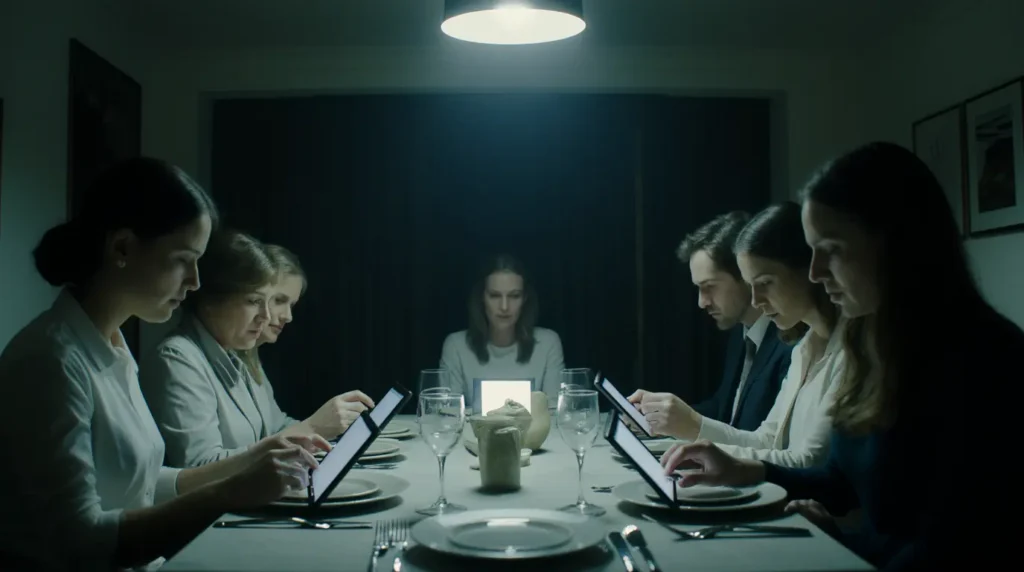
Another key concern raised by Princess Kate is the effect of digital overload on mental health. Constant notifications and online pressures can increase stress for both adults and children. Social media, in particular, can contribute to comparison, self-esteem issues, and unrealistic expectations.
Within families, this stress can reduce patience and emotional availability. Princess Kate encourages families to create environments where children feel safe expressing their emotions without digital distractions competing for attention.
Encouraging Mindful Technology Use
Princess Kate advocates for mindful technology use—being aware of when, why, and how devices are used. This includes setting age-appropriate screen limits, monitoring content, and having open discussions about online experiences.
She emphasizes that conversations about technology should be ongoing rather than rule-based alone. When children understand the reasons behind limits, they are more likely to develop healthy digital habits that carry into adulthood.
A Call for Balance in the Digital Age
Princess Kate’s warning resonates with families worldwide because it reflects a shared reality. Technology is not going away, but neither is the human need for connection. Her message is ultimately hopeful: families can reclaim closeness by making conscious choices.
By prioritizing presence over pixels, families can strengthen bonds, support emotional well-being, and create lasting memories. Princess Kate’s reminder serves as a gentle nudge to pause, put devices aside, and reconnect with the people who matter most.
Conclusion
Princess Kate’s concerns about excessive technology use highlight a critical issue facing modern families. As screens become more embedded in daily routines, the risk of emotional disconnection grows. Her message is clear—technology should enhance life, not replace human interaction.
Through balance, awareness, and intentional family time, households can navigate the digital age without losing what truly matters: love, communication, and meaningful connection.