Big Hair, Big Dreams: The Electric Evolution of 80s Hair Fashion
The 1980s were a decade of excess, innovation, and unapologetic self-expression. Nowhere was this more evident than in the era’s dramatic, gravity-defying hair trends, which remain a touchstone of pop culture.
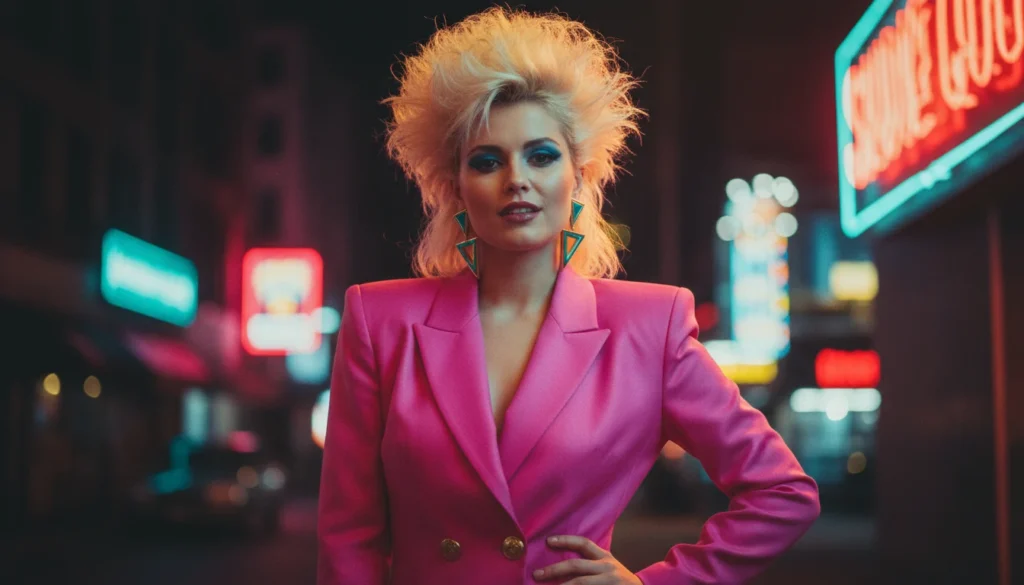
The 1980s, an era defined by bold colors, synth-pop, and booming economic confidence, birthed a style aesthetic that was inherently loud, vibrant, and, above all, big. From the shoulder-padded power suits to the brightly colored leg warmers, every element of fashion was designed to make a statement. But perhaps the single most defining feature of 80s style, the true canvas of individual and collective expression, was the hair.
The hairdos of the 80s were not merely styles; they were architectural feats, often requiring copious amounts of mousse, gel, and hairspray to achieve and maintain their signature volume and shape. This was the decade where subtle was shunned, and the bigger, the brighter, and the more daring, the better. The hair was a reflection of the decade’s maximalist spirit—a collective declaration that “more is more.”
The Perm: A Chemical Revolution
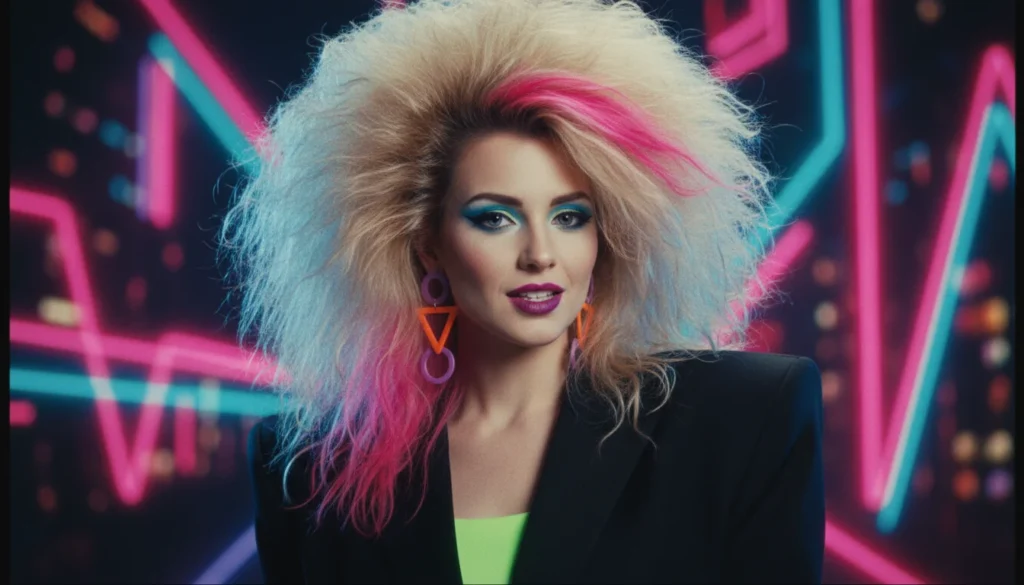
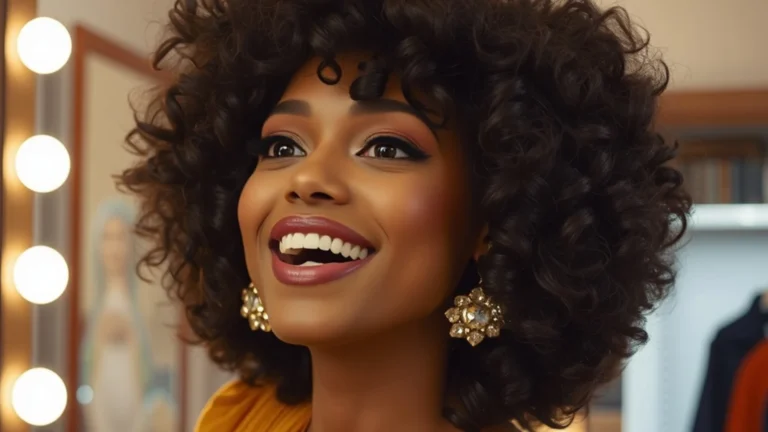
At the heart of the 80s hair phenomenon was the permanent wave, or the perm. While perms had existed for decades, the 1980s saw their transformation from a tool for gentle waves into a mechanism for creating tight, springy, and often voluminous curls. Driven by a desire for easy volume and a break from the sleek, straight looks of the 70s, the perm became universally popular.
The chemical process involved breaking and reforming the hair’s keratin bonds, resulting in a head of hair that seemed to defy gravity. For women, the perm provided the essential foundation for the high-volume styles seen on television and in magazines. Icons like Madonna and Sarah Jessica Parker, with their signature spiral curls, cemented the perm’s status as the must-have texture of the decade.
It wasn’t just a women’s trend; men also embraced the perm, leading to the rise of the ‘man-perm’ or the ‘Jheri curl’—a looser, often oiled curl popularized by R&B and pop stars. This ubiquitous texture was the foundation upon which countless other 80s styles were built.
The Mullet: Business in the Front, Party in the Back
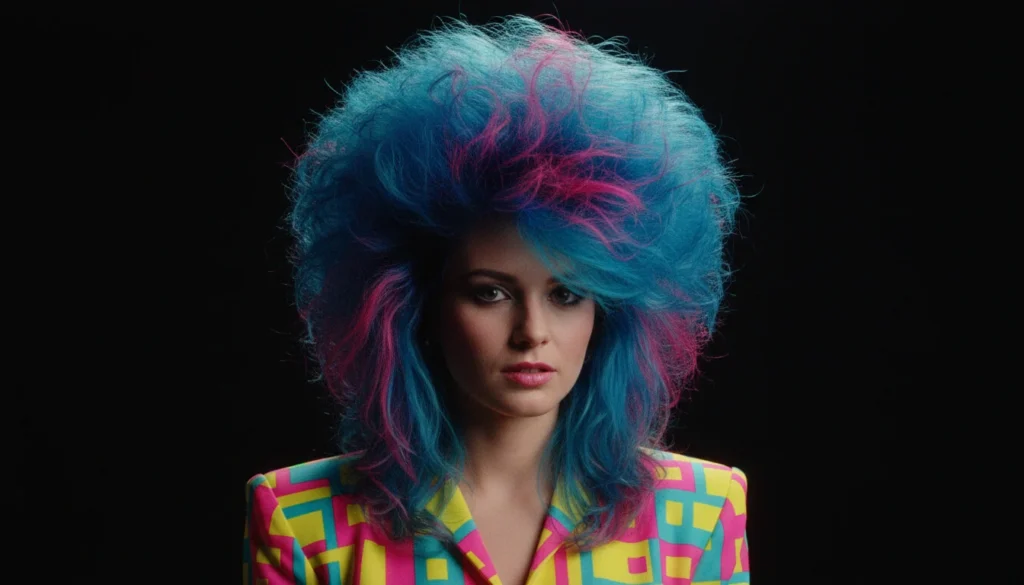
No discussion of 80s hair is complete without acknowledging the infamous, yet widely embraced, mullet. This controversial cut was the epitome of the decade’s contradictions, marrying a sense of professional restraint with a wild, untamed spirit.
The basic structure was deceptively simple: short on the top and sides, and long in the back. The ‘business’ front allowed for neatness around the face, while the ‘party’ back—often feathered, permed, or spiked—cascaded down the neck and shoulders. The mullet transcended gender and social boundaries, adopted by rock musicians, athletes, and suburban dads alike. It was a utilitarian style that signaled rebellion, freedom, and a refusal to conform to a single aesthetic.
The variations were endless: the ‘feathered’ mullet, the ‘skullet’ (balding on top with long back hair), and the ‘rat tail’ variation, where a small section of hair was grown long while the rest was cut short. Despite being relentlessly mocked in subsequent decades, the mullet remains the most potent visual shorthand for 80s fashion irreverence.
Rock and Pop: The Glam Hair Standard
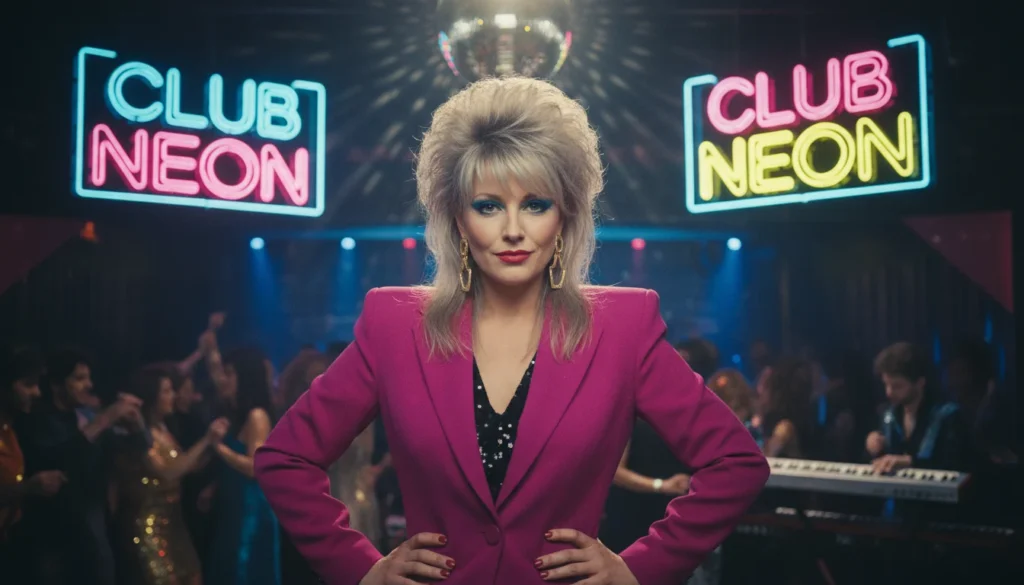
Music was the primary engine driving hair trends, particularly the electric, theatrical aesthetics of Glam Metal and New Wave.
Glam Metal’s Teased Mania
Bands like Mötley Crüe, Bon Jovi, and Poison turned hair into an art form—one that was often indistinguishable from their stage costumes. This was hair as armor, hair as identity. The style was characterized by extreme volume, achieved by backcombing (teasing) the hair vigorously until it stood straight up, then coating it in a thick layer of industrial-strength hairspray. These long, often bleached or heavily highlighted manes were known as the “Glam Rock” or “Hair Metal” look. It was a dramatic, gender-fluid style that screamed excess and rock-and-roll bravado. The application of aerosol hairspray was not a final touch; it was an essential, ongoing process throughout the day and night.
New Wave’s Angular and Asymmetrical Cuts
In contrast to the flowing manes of the metal scene, New Wave and Pop artists favored more angular, geometric, and often asymmetrical cuts. Think of the sharp, layered styles of A Flock of Seagulls, or the punk-influenced spikes and bright, unnatural hair colors popularized by artists like Cyndi Lauper. These styles emphasized structure and often featured shaved sections, vibrant dyes, and precise, sculpted shapes that reflected the futuristic, synthesized sound of the music.
The Power Bob and the Side Ponytail
Beyond the rock scene, mainstream 80s fashion was dominated by two powerful female looks: the Power Bob and the Side Ponytail.
The Power Bob and the Career Woman
As more women entered the corporate world, a distinct ‘power dressing’ style emerged, symbolized by the Power Bob or the heavily teased and layered bob. This cut was often short, full of volume at the crown, and featured sharp, defined layers around the face. It was styled to look sophisticated, controlled, and commanding, perfectly complementing the wide shoulders of the era’s blazers. It communicated seriousness and ambition, a hairstyle that meant business, epitomized by characters in shows like Dynasty and Dallas.
The Casual Side Ponytail
On the other end of the spectrum was the playful, youthful, and distinctly casual Side Ponytail. This simple style, often worn high on the side of the head and secured with an oversized, brightly colored scrunchie, became a hallmark of teen and aerobic fashion. It was carefree, bouncy, and highly versatile, often incorporating a teased bang or a crimped texture for added flair. The side pony was an accessible trend that perfectly encapsulated the decade’s fun-loving attitude.
The Science of Height: Mousse and Hairspray
The spectacular heights of 80s hair would not have been possible without key innovations in hair products. Mousse—a light, foamy styling product—became a revolutionary must-have. Applied to damp hair, it provided unparalleled lift and body without the heaviness of earlier gels.
However, the true unsung hero of 80s hair was the hairspray. To maintain the enormous, gravity-defying shapes, hairspray was used not as a mist, but as a lacquer. Brands developed industrial-strength formulas designed to hold hair rigid for hours. The air quality of an 80s dressing room or concert venue was famously compromised by the sheer volume of aerosol propellants used daily to freeze these magnificent structures in place.
A Legacy of Self-Expression
The hair fashions of the 1980s were more than fleeting trends; they were a cultural phenomenon rooted in a desire for bold, unmistakable self-expression. In an era where individuality was celebrated and excess was embraced, hair became the ultimate tool for personal branding.
Today, these styles cycle back into fashion, albeit in softer, more refined forms. The modern ‘shag’ or ‘wolf cut’ owes a debt to the layered volume of the 80s. The ‘big blowout’ is a deliberate homage to the decade’s power hair. This enduring appeal lies in the styles’ sheer audacity. The 80s taught us that hair should be fun, unafraid, and above all, unforgettable. It was a spectacular, gravity-defying decade of hair that truly earned its reputation as the biggest and the boldest in modern history.